
Privacy & Screening Landscape Design for Chester County & the Main Line
On close-set suburban lots and established Main Line properties, the right planting can do what a fence never will: soften a neighbor's view, hush road noise, and look better every year. JHL designs living privacy screens and layered buffers built for our Zone 6b-7a climate, clay soils, and steady deer pressure. Every project starts with a custom 3D rendering, so you see exactly how the screen will frame your property before a single tree goes in.
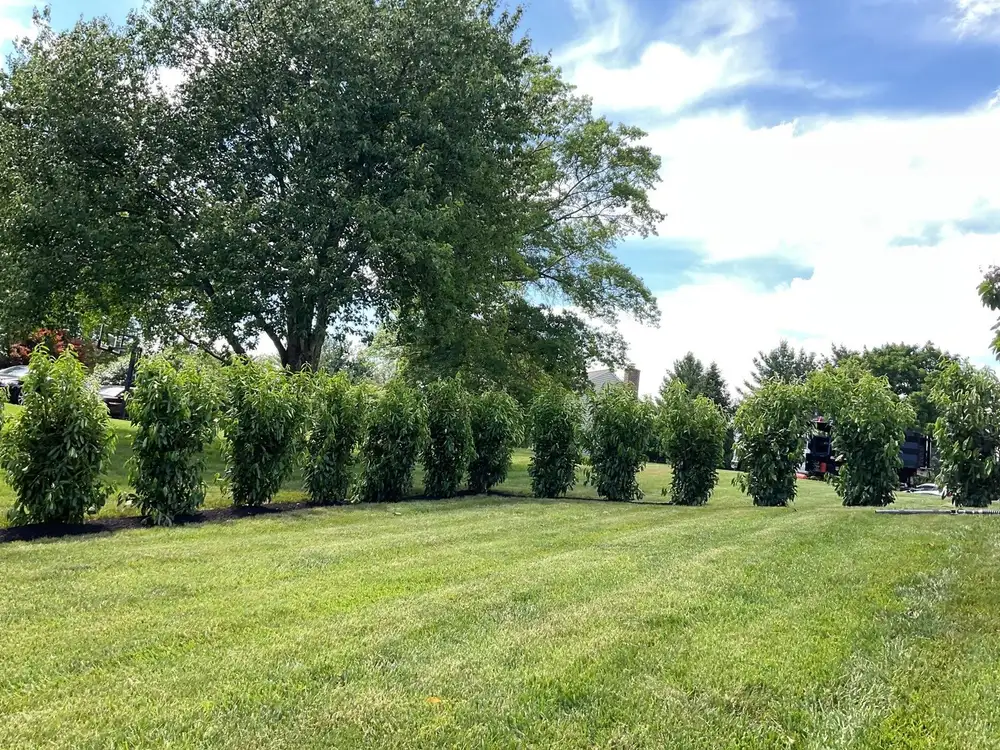
Layered Buffers Outlast a Single Row of Evergreens
The most common screening mistake we see in Chester County is a straight, single-species hedge, usually a wall of Green Giant arborvitae. It works until it doesn't: bagworm, deer browsing, or a fungal outbreak can hollow out a monoculture in one or two seasons, and there is no backup. We design layered buffers instead, mixing species and heights so the screen stays full even when one plant struggles.
A true buffer works in three layers. A taller canopy layer carries the screen above eye level and breaks up sightlines from second stories. An evergreen middle layer holds privacy through winter when deciduous plants drop their leaves. An understory layer of shrubs and perennials closes the gap at the base, where most screens fail. Together these layers also absorb far more road and pool noise than a thin hedge or fence panel.
What a Layered Screen Typically Includes
- Canopy: Norway spruce or Colorado spruce for height and density
- Evergreen core: Green Giant arborvitae, cryptomeria, or Eastern red cedar
- Mixed accents: American holly and viburnum for berries and seasonal interest
- Understory: wax myrtle and native shrubs to fill the base and feed wildlife
Fast Privacy vs. Plants That Last
Almost every homeowner asks for the fastest-growing screen, and we understand why. But the quickest growers are rarely the strongest. Green Giant arborvitae and cryptomeria put on two to three feet a year and give you privacy quickly, while slower species like American holly and Eastern red cedar take longer but tolerate clay, drought, and deer far better once established.
Our usual approach blends both. Fast growers carry the early years while slower, tougher species mature into the long-term backbone of the screen. That way you get coverage now without locking yourself into a planting that thins out or fails a decade down the road. The 3D rendering shows you year-one coverage alongside the mature canopy, so the tradeoff is a decision you make on purpose.
When the Screen Should Be Plants, a Fence, or Both
The honest difference is timing. A fence works the day it is set; a planting does not. Even the fast growers add two to three feet a year, so a screen planted at six feet takes three or four seasons to close a sightline and longer to fill in at the base. If you need a neighbor's view gone before this summer, or you are enclosing a pool to meet code, no planting will get you there. What plantings buy instead is a screen that improves every year, absorbs far more road and pool noise than a fence panel, and never needs staining or replacing.
Structure also wins wherever the space is too narrow or the target too specific for plants. A three-foot side yard will not carry a mature evergreen. Equipment screening around an AC condenser, pool heater, generator, or trash enclosure needs a panel or low decorative screen that still allows airflow and service access, with planting used to soften the edges rather than do the hiding. And where the exact height and location matter, a fence sits where you put it, while a hedge eventually grows into the neighbor's yard.
Most of the projects we design use both. A fence or low wall carries the bottom three to six feet and gives you privacy immediately, and layered plantings set in front of it handle the height, break up the flat line of the panels, and take over as the primary screen once they mature. Fencing is handled by our sister company, JHL Fence Company, which covers the same Chester County and Main Line territory, so the fence line and the planting plan get drawn together instead of by two crews who never speak.
Deer-Resistant Screens for Our Suburbs
Deer pressure is relentless across Chester County, Delaware County, and the Main Line, and it will reshape a screen you spent good money on. Arborvitae, the default privacy plant, is one of the deer's favorite winter foods. We steer screens toward species deer tend to leave alone and protect vulnerable plants while they establish.
- Cryptomeria: fast, full, and largely passed over by deer
- Eastern red cedar: native, drought-tough, and deer-resistant
- Norway and Colorado spruce: stiff, resinous foliage deer avoid
- Wax myrtle and many viburnum: dense filler with low browse appeal
We pair resistant species with smart placement, keeping the most browse-prone plants set back behind a tougher front line. For native-forward, low-maintenance screens that lean on this strategy, our native and low-maintenance garden design service builds buffers that hold up with minimal babysitting.
Spacing, Mature Size, and What You're Screening
A screen lives or dies on spacing. Plant too tight to rush coverage and the row crowds itself, traps moisture, and invites disease; plant too far apart and you stare at gaps for years. We space every screen to the plant's mature width, not its nursery-pot size, so the design fills in cleanly rather than fighting itself at maturity.
We also design to the specific problem. Blocking a busy road calls for a deep, layered buffer that scatters noise. Hiding an AC condenser, pool equipment, or a utility box needs a tighter evergreen pocket. Screening a direct neighbor sightline from a patio or kitchen window is about placing density exactly where the view lands, not walling off the whole yard. On tight lots we frequently combine plantings with a low berm or a hardscape wall or fence, letting the structure carry the bottom few feet while the planting handles height and softens the line.
JHL has designed landscapes across Chester County and the Main Line since 2004. We are ICPI Certified, an HBA member in Chester and Delaware Counties, BBB A+ rated, and licensed under PA HIC #PA035784.
Frequently Asked Questions
What are the fastest privacy plants for this area? Green Giant arborvitae and cryptomeria are the fastest, often adding two to three feet a year in our Zone 6b-7a climate. Both give quick coverage, though cryptomeria handles deer far better. We usually pair fast growers with slower, tougher species like American holly or Eastern red cedar so the screen has long-term staying power.
Is an evergreen screen better than a fence? Each has a place. A fence delivers instant, exact-height privacy in a narrow footprint, which matters on tight Main Line lots. A living screen takes a few seasons but absorbs far more road and pool noise, improves every year, and looks softer. On many projects we combine the two: a fence or low wall at the base with layered plantings above and in front.
How tall and how close to the property line should I plant? We space screens to each plant's mature width rather than its current size, and set the row far enough off the line to allow full growth without crowding the neighbor or overhanging the lot. Most screens reach a useful 8 to 15 feet, with canopy species going taller. Your 3D rendering shows both year-one and mature heights so spacing is clear up front.
Which screens hold up best against deer here? Cryptomeria, Eastern red cedar, and Norway or Colorado spruce are far more deer-resistant than the common arborvitae, which deer browse heavily in winter. We design with resistant species up front and protect any vulnerable plants while they establish, so the screen survives our heavy local deer pressure.
Related services: Planting & Garden Design · Native & Low-Maintenance Garden Design · Full Landscape Design.
Areas We Serve
- West Chester, PA — Our home studio at 701 S Franklin St, designing screens for close-set borough and township lots.
- Newtown Square & the Main Line — Layered buffers and deer-resistant screens for established Main Line properties.
- Malvern, Exton, Downingtown, Wayne — served towns
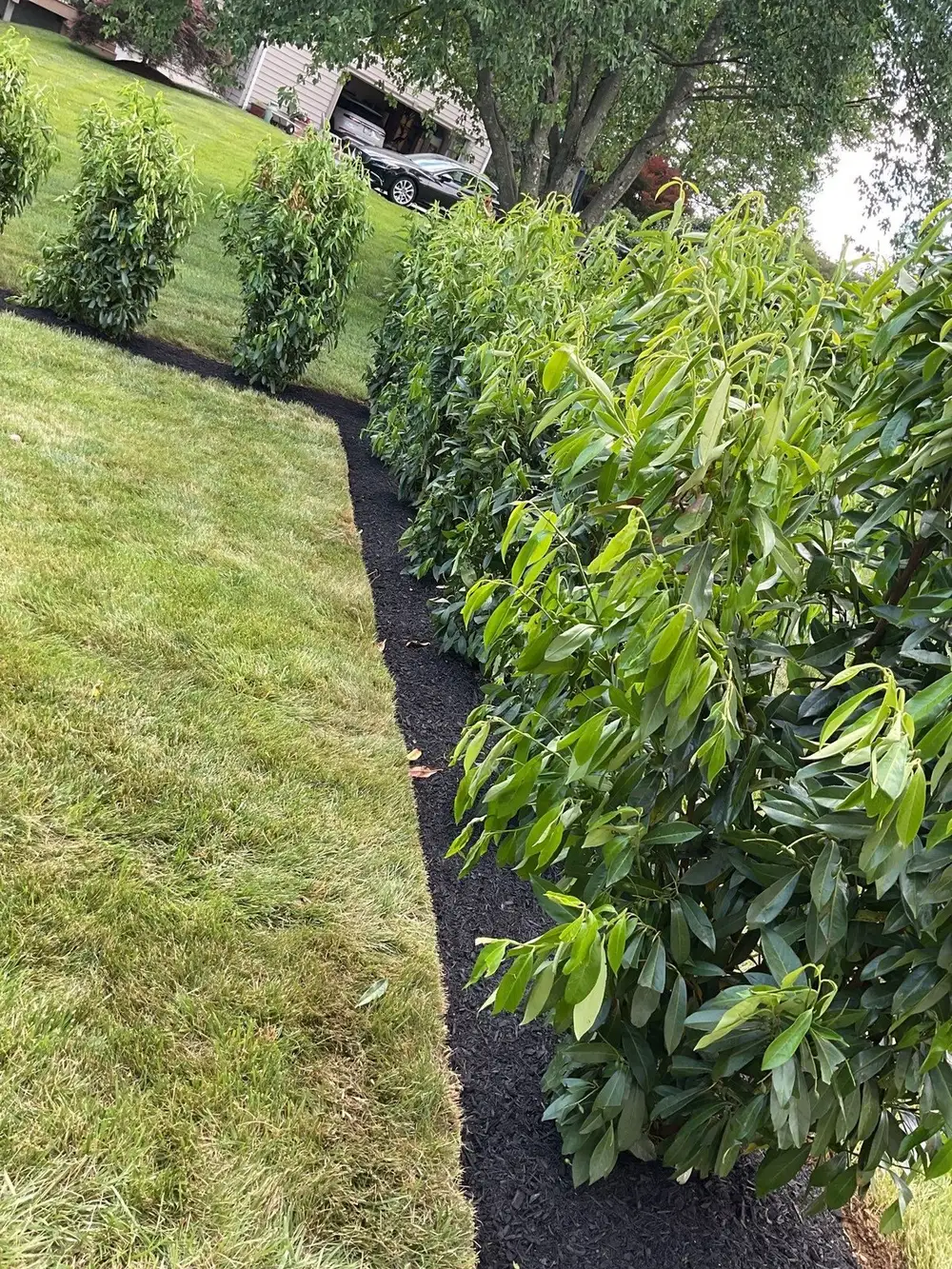
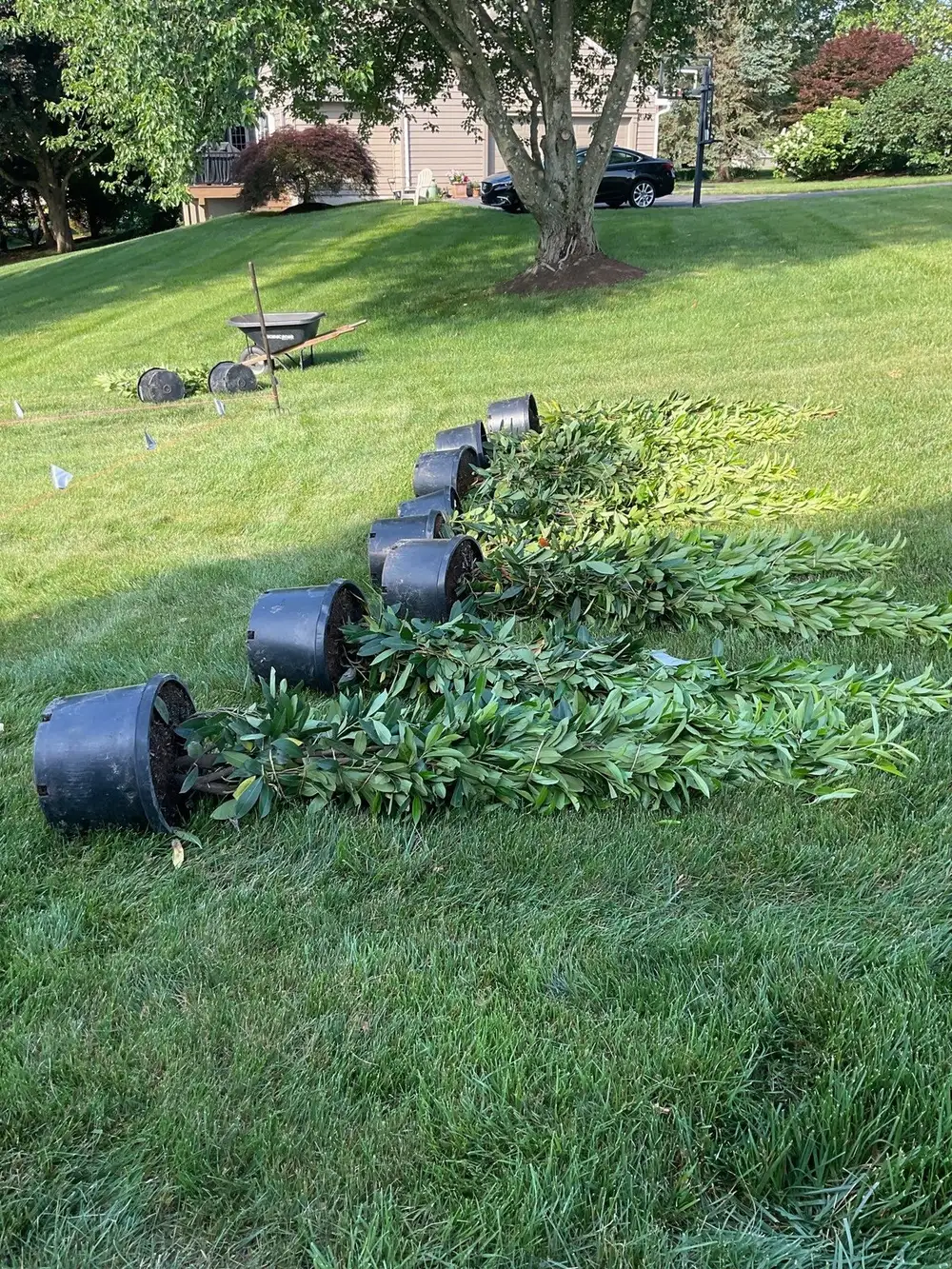
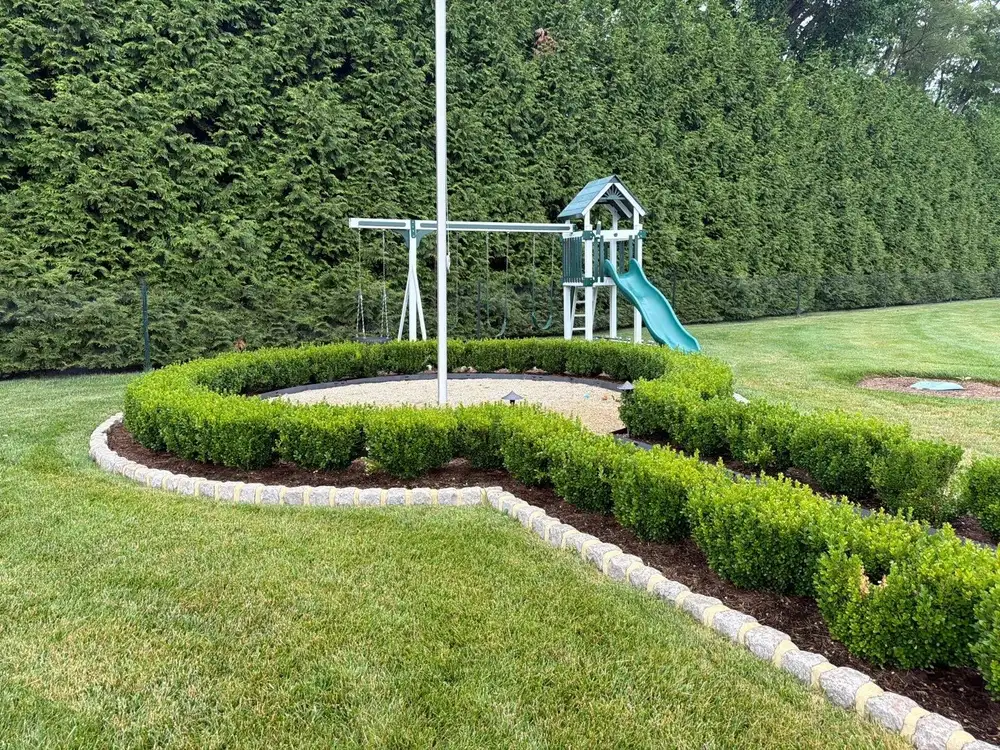
Recent Privacy & Screening Plantings
Ready to start? Request a consultation or call (610) 422-3474.
About JHL Landscape Design
JHL Landscape Design is a design-build landscape company serving Chester County, Delaware County and the Main Line from West Chester (701 S Franklin St). We design, install, and care for complete landscapes — landscape design and 3D rendering, hardscape and patios, drainage and grading, and plantings — with every project grounded in a plan you approve before work begins.
PA HIC #PA035784 | ICPI Certified | HBA Member — Chester & Delaware Counties | BBB A+ | 20+ Years Chester County
JHL Landscape Design | PA HIC #PA035784 | ICPI Certified | Licensed & Insured 701 S Franklin St, West Chester, PA 19382 (610) 422-3474
Ready to Start Your Project?
Schedule a free consultation with JHL Landscape Design.
Schedule a Consultation