
Native & Low-Maintenance Garden Design for Chester County & the Main Line
A native garden is a beautiful one that works less and gives back more. From our West Chester studio, JHL designs native and low-maintenance gardens tuned to USDA Zone 6b-7a, our heavy clay soils, and the deer pressure every yard here knows. Native plantings need less water and fertilizer, feed pollinators and birds, and shrug off the conditions imported plants fight. Every design begins as a custom 3D rendering, so you see the four-season palette before a single plant goes in.
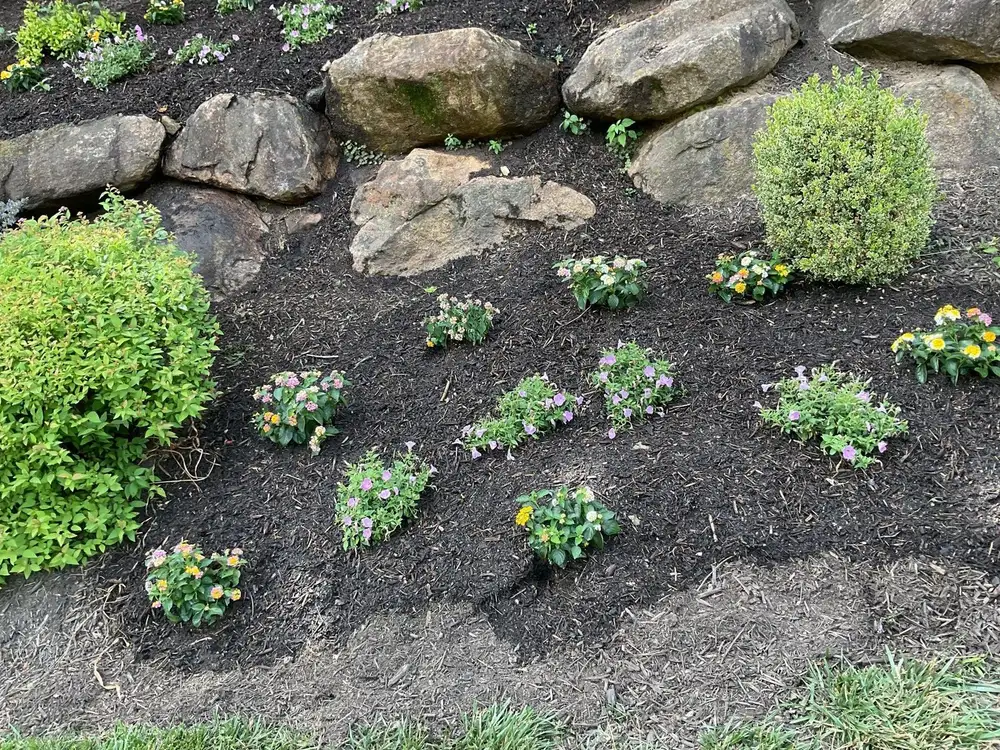
Why Native Plants Make Sense in Chester County
Plants native to Pennsylvania and the Mid-Atlantic evolved with our clay soils, our roughly 46 inches of annual rain, and our freeze-thaw winters. That means once established, they ask for far less water, no routine fertilizer, and little fuss, because they are already adapted to the ground you have. Just as important, they anchor the local food web: a switchgrass meadow or a stand of coneflower feeds native bees, butterflies, and songbirds that a row of clipped exotics simply cannot.
Fighting pollinator decline at the property scale
Pollinator populations are in steep decline across the region, and home gardens are one of the few places to push back. We design with native nectar and host plants that bloom in sequence from spring through hard frost, so there is always something in flower for bees and butterflies.
- Less irrigation once established, because natives are matched to local rainfall and clay
- No routine fertilizer or chemical inputs to keep them looking good
- Real habitat value: nectar, pollen, seed, and host plants for native insects and birds
- Deep-rooted species that hold soil on slopes and slow stormwater runoff
Deer-Resistant Natives & Clay-Tough Selections
Deer pressure is heavy across Chester County, Delaware County, and the Main Line, and a native garden still has to survive the browse line. We build palettes around natives deer tend to pass over, and place the few they favor where they are sheltered. The result reads full and intentional without becoming a salad bar.
Natives that earn their place in our soils
Our go-to Mid-Atlantic natives are chosen to thrive in clay and to deter deer where possible. Warm-season grasses like switchgrass and little bluestem give structure and movement; coneflower, black-eyed susan, and joe-pye weed carry the pollinator season; serviceberry and redbud bring spring bloom and bird-friendly fruit; and inkberry holly and oakleaf hydrangea hold the structure of a bed through winter.
- Grasses: switchgrass and little bluestem for texture, movement, and winter standing form
- Perennials: coneflower, black-eyed susan, and joe-pye weed for a long pollinator bloom
- Trees & shrubs: serviceberry, redbud, inkberry holly, and oakleaf hydrangea
- Selections matched to clay soil, Zone 6b-7a hardiness, and local deer behavior
Less Lawn, More Meadow: Conversions & Rain Gardens
A lot of low-maintenance work starts by shrinking the lawn. Turf is the thirstiest, most input-hungry thing on most properties, so we convert tired or hard-to-mow areas into native beds, no-mow meadow plantings, or pollinator gardens that look better and demand less from you and your mower.
Rain gardens for stormwater
Where downspouts, driveways, or clay low spots send water across your yard, a rain garden captures and soaks it in instead of letting it run off. Planted with deep-rooted natives that tolerate both wet and dry spells, a rain garden manages stormwater, recharges groundwater, and can qualify for township stormwater incentives in parts of Chester and Delaware Counties.
Because every JHL project begins with a custom 3D rendering, you see how a meadow conversion or rain garden will read in context, against your house, hardscape, and views, and approve the look before installation.
Low-Maintenance Does Not Mean No-Maintenance
An honest native garden is low-care, not no-care, and we design it that way on purpose. A meadow needs an annual cutback; young plantings need a season or two of weeding and watering to establish; and edges want occasional tidying to keep the look deliberate. Designed well, that adds up to a fraction of the time a fertilized, irrigated lawn demands, and the garden only improves as it matures.
- Plants spaced for mature size so beds knit together and crowd out weeds
- A four-season palette layered for bloom, fall color, and winter structure
- Establishment guidance for the first seasons, then a light maintenance rhythm
- Designs that get fuller and lower-care over time, not higher
Frequently Asked Questions
What counts as a native plant, and why does it help? A native is a species that occurred naturally in Pennsylvania and the Mid-Atlantic before widespread introductions. Because they evolved with our clay soils, rainfall, and winters, natives need less water and fertilizer once established, and they support native bees, butterflies, and birds that non-native ornamentals do not. That makes them both lower-maintenance and far more valuable for habitat.
Is a low-maintenance garden really no work at all? No, and we are upfront about that. Low-maintenance means dramatically less work than a fertilized, irrigated lawn, not zero. New plantings need a season or two to establish, meadows want an annual cutback, and edges benefit from occasional tidying. After that, a well-designed native garden largely takes care of itself and looks better each year.
Can you convert part of my lawn to a pollinator garden or meadow? Yes. Reducing lawn is one of the easiest ways to cut maintenance and boost habitat. We convert tired turf, slopes, or hard-to-mow areas into native beds, no-mow meadow plantings, or pollinator gardens, and design the bloom sequence so something is feeding pollinators from spring through frost.
Which native plants stand up to the deer here? Chester County and the Main Line both carry heavy deer pressure, so we build around natives deer tend to avoid and shelter the few they favor. Grasses like switchgrass and little bluestem, perennials such as coneflower and joe-pye weed, and shrubs like inkberry holly hold up well. No plant is truly deer-proof, but a layered native plan stays full far better than an unplanned bed.
What is a rain garden, and would one help my yard? A rain garden is a shallow, planted basin set where water collects, from downspouts, driveways, or clay low spots, that captures runoff and lets it soak into the ground. Planted with deep-rooted natives, it manages stormwater, recharges groundwater, and can qualify for township stormwater incentives in parts of Chester and Delaware Counties. If you have standing water or runoff problems, it is often the right fix.
Related design services: Planting & Garden Design · Landscape Design · Landscape Master Plan.
Areas We Serve
- West Chester, PA — Home studio at 701 S Franklin St; native beds and pollinator gardens in town
- Newtown Square & the Main Line — Meadow conversions and rain gardens from Wayne and Villanova to Gladwyne
- Kennett Square, Chadds Ford, Malvern, Exton — served towns
Native & Low-Maintenance Plantings
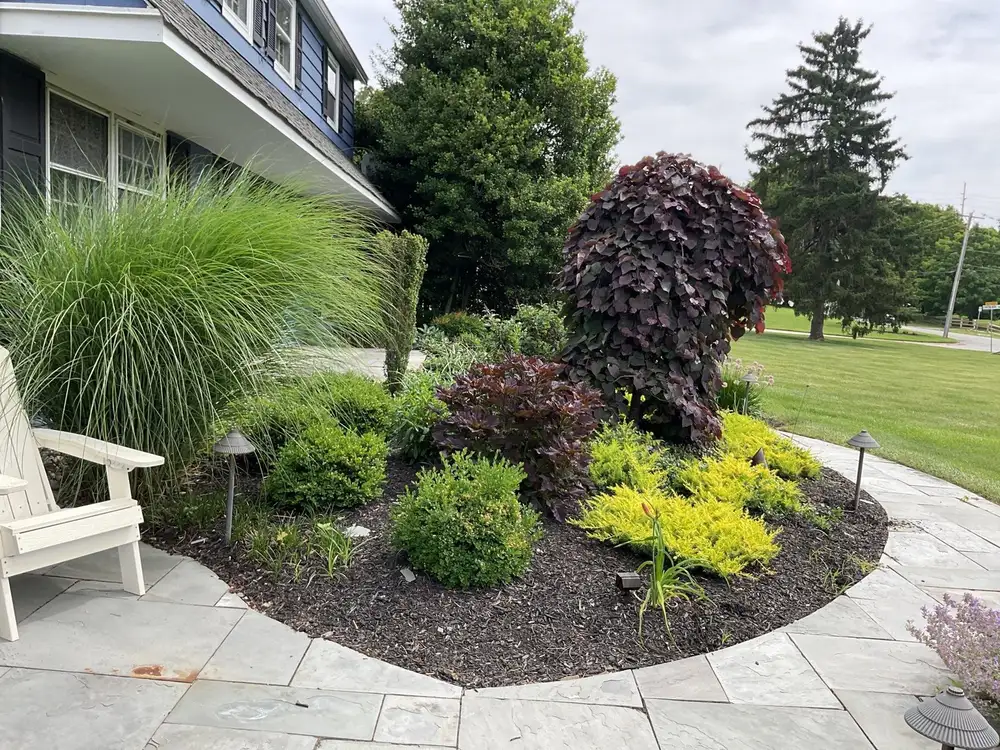
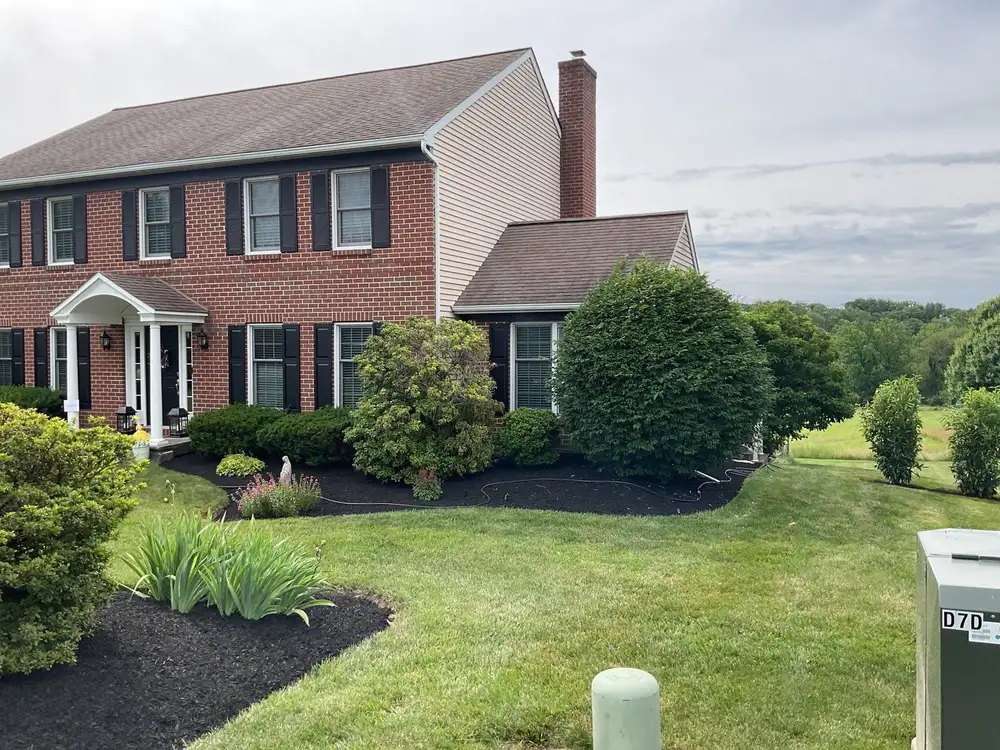
Ready to start? Request a consultation or call (610) 422-3474.
About JHL Landscape Design
JHL Landscape Design is a design-build landscape company serving Chester County, Delaware County and the Main Line from West Chester (701 S Franklin St). We design, install, and care for complete landscapes — landscape design and 3D rendering, hardscape and patios, drainage and grading, and plantings — with every project grounded in a plan you approve before work begins.
PA HIC #PA035784 | ICPI Certified | HBA Member — Chester & Delaware Counties | BBB A+ | 20+ Years Chester County
JHL Landscape Design | PA HIC #PA035784 | ICPI Certified | Licensed & Insured 701 S Franklin St, West Chester, PA 19382 (610) 422-3474
Ready to Start Your Project?
Schedule a free design consultation with JHL Landscape Design.
Schedule a Design Consultation